




Recent news stories about Indigenous Peoples' experiences with and in the Canadian health care system serve as a strong reminder of the tragic human and financial costs of anti-Indigenous racism, particularly as it appears in health care settings. Ongoing and persistent, the anti-Indigenous racism that Indigenous people encounter in the health care system is a structural issue that is rooted in Canada's colonial history.
Because anti-Indigenous racism in health care today comes out of and is a continuation of this longer colonial history, understanding Indigenous health history is essential to identifying, confronting, and dismantling the systemic barriers that continue to deny Indigenous people equitable access to health care, and that lead to harmful health outcomes.
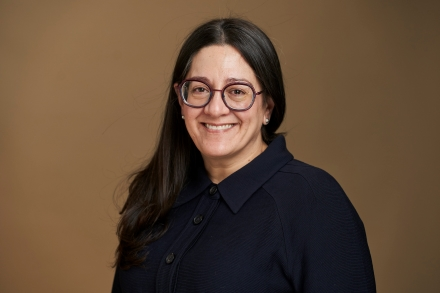
Dr. Mary Jane McCallum
UWinnipeg's Dr. Mary Jane McCallum, a First Nations historian who has worked for over 20 years in Indigenous health research, and her inter-disciplinary team, will explore the history of Indigenous experiences of and in health care, and how this knowledge can contribute to improving Indigenous experiences and outcomes through historically informed anti-racism health care education.
The overall goal is to amplify First Nations, Inuit, and Métis voices, empowering families, health professionals, and communities to advance equity via educational tools, memorials, and guides for lost loved ones.
Dr. Mary Jane McCallum
Supporting this important work, Dr. McCallum has received a $1.9 million five-year Canadian Institutes of Health Research (CIHR) grant for her most recent project, Health and History: Using Colonial Archives and Historical Methods to Understand Racism and Improve Indigenous Access to Health Care. Over the next five years, Dr. McCallum and co-investigators Dr. Anne Lindsay (University of Winnipeg) and ), working with the support of an Indigenous Advisory Team, will mobilize historical research to create educational and anti-racism training tools.
During its five-year mandate, Health and History: Using Colonial Archives and Historical Methods to Understand Racism and Improve Indigenous Access to Health Care seeks to identify and uncover incidences and patterns of systemic anti-Indigenous racism as they have occurred and been experienced by Indigenous people in Manitoba's health care systems through archival research. The team will leverage the knowledge that is created through this work to create educational tools that can be used to explore, identify, and reduce the incidence of Indigenous experiences of anti-Indigenous racism in healthcare going forward. As part of this work, the project will continue to support and advocate for better Indigenous access to historical health care-related records for individuals, families, communities, and Nations.
"The overall goal is to amplify First Nations, Inuit, and Métis voices, empowering families, health professionals, and communities to advance equity via educational tools, memorials, and guides for lost loved ones," said Dr. McCallum.
Historical literacy is vitally important for all Manitobans including those who work in health care, McCallum said, because it helps to understand the roots of anti-Indigenous racism and how this history underpins current systemic and inter-personal issues today.
This research will help open the door to better understanding and more respectful dialogue and interactions today, which in turn can lead to better informed systemic change moving forward. Dr. Anne Lindsay explains, the goal is to "help health care professionals and the Canadian healthcare system better understand and address ongoing anti-Indigenous racism in healthcare and its tragic consequences, reducing systemic barriers, and creating positive changes that can amplify Indigenous voices and by doing that improve equity, well-being, and health care outcomes for Indigenous people and peoples."
Dr. McCallum's other ongoing project, Manitoba Indigenous Tuberculosis History Project, recently won the 2026 Manitoba Day Award from the Association of Manitoba Archivists for the "Research Guide". The award was for First Nations and Inuit Burials at Brookside Cemetery 1950s-1970s. It is important to note that it happened during the week of the United Nations permanent people's tribunal to study missing people in Canada - and the report was entered as evidence to the tribunal.


